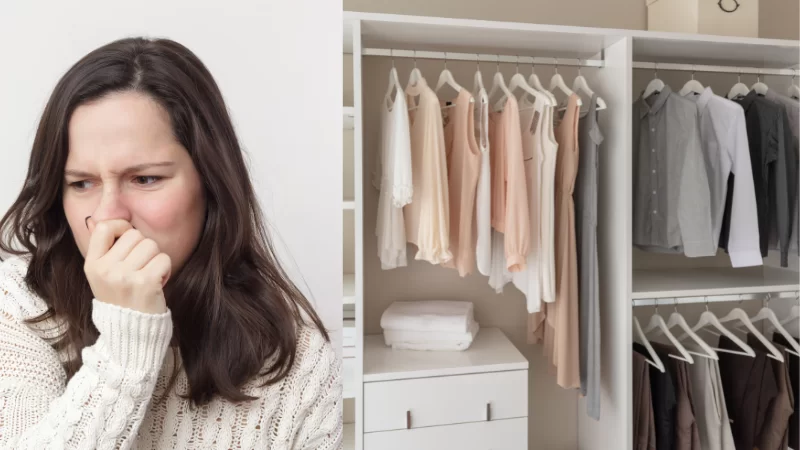
Quick Answer: If your house smells like mold but you can’t see it, the most common cause is hidden moisture leading to mold growth behind walls, under floors, inside insulation, or in HVAC systems. Mold does not always grow in visible areas, and the smell is often the first warning sign.
A moldy smell without visible mold can be frustrating and even worrying. You may clean your home regularly, check obvious areas, and still notice that damp, musty odor that won’t go away. This usually means the problem is hidden — and ignoring it can lead to bigger damage over time.
The key is understanding where mold hides and why the smell appears before anything becomes visible.
Main Causes of Mold Smell Without Visible Mold
-
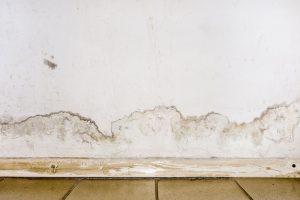
Hidden mold behind drywall
-
Moisture trapped under flooring
-
Mold inside air vents or HVAC systems
-
Damp insulation in walls or ceilings
-
Leaks inside pipes or roofs
-
Poor ventilation causing humidity buildup
👉 what causes bad smell from your kitchen or bathroom sink
Why You Smell Mold Before You See It

Mold produces gases called microbial volatile organic compounds (MVOCs). These are responsible for that typical musty, earthy smell.
Even a small hidden mold colony can create a strong odor, especially when:
-
airflow spreads the smell through the house
-
humidity increases
-
the mold is inside enclosed spaces
This is why you can smell mold even when everything looks clean.
1) Mold Growing Inside Walls
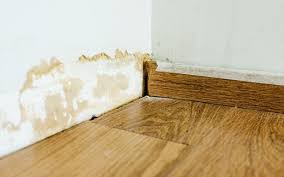
One of the most common hidden sources is mold behind drywall.
This usually happens when:
-
there is a slow pipe leak
-
rainwater enters through cracks
-
condensation builds up inside walls
-
insulation gets damp
The mold grows silently behind the surface, and the smell slowly leaks into the room.
👉 If you also notice strange smells in specific wall areas, check
Why Does My House Smell Like Something Dead in the Walls?
2) Moisture Under Floors or Carpets
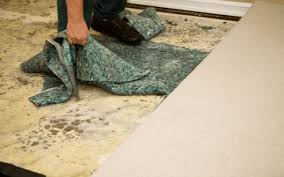
If the smell seems stronger near the floor, the issue may be underneath.
Common causes:
-
water spills that soaked into flooring
-
leaks from below (basement or crawl space)
-
poor drying after cleaning
-
trapped humidity under carpets
👉 This is especially common after cleaning. See
Why Does My Carpet Smell After Cleaning?
3) Mold Inside HVAC or Air Vents
Sometimes the smell spreads through the entire house, making it harder to find the source.
This often means mold is inside:
-
air ducts
-
AC unit
-
vents
-
filters
If the smell gets stronger when the AC or heating turns on, this is a strong sign.
👉 Related issue:
4) High Humidity and Poor Ventilation

Even without a leak, high humidity can create the perfect environment for mold.
This happens when:
-
rooms are poorly ventilated
-
bathrooms stay damp
-
windows collect condensation
-
air circulation is weak
Over time, moisture builds up in hidden areas and starts producing that musty smell.
👉 Also read:
Why Does My House Smell Musty?
Quick Check: How to Find Hidden Mold
Before calling a professional, do these simple checks:
Smell mapping
Walk slowly around your house and find where the smell is strongest.
Check humidity
If your home feels damp or sticky, humidity may be the cause.
Inspect hidden areas
Look in:
-
closets
-
behind furniture
-
under carpets
-
attic and crawl space
-
around windows and pipes
Notice patterns
-
worse after rain → moisture issue
-
worse at night → poor airflow
-
worse when AC is on → HVAC issue
What You Should Do First
If your house smells like mold but you don’t see it, act early.
Step-by-step:
-
Identify the strongest smell area
-
Check for moisture or leaks
-
Improve ventilation immediately
-
Use a dehumidifier if needed
-
Inspect HVAC system
-
Call a professional if smell persists
Can Mold Smell Be Dangerous?
Yes — even if you don’t see mold, the presence of the smell means something is growing.
Long-term exposure may cause:
-
allergies
-
breathing issues
-
headaches
-
fatigue
The earlier you fix it, the better.
How to Remove the Smell Permanently
You cannot remove mold smell without fixing the source.
Effective solutions:
-
repair leaks
-
dry affected areas completely
-
replace damaged materials if needed
-
clean HVAC system
-
improve airflow
-
control humidity levels
Avoid only using sprays — they mask the smell but do not solve the problem.
Final Thoughts
If your house smells like mold but you can’t see it, the issue is almost always hidden moisture or mold growth. The smell is an early warning signal — not something to ignore.
Finding the source early can save you from serious damage and expensive repairs later. Focus on moisture, airflow, and hidden spaces, and you’ll be able to solve the problem effectively.
FAQ
Why does my house smell moldy but I see no mold?
Because mold is often hidden behind walls, under floors, or inside vents. The smell appears before visible signs.
Can mold grow inside walls without being visible?
Yes, especially if there is moisture trapped behind drywall or insulation.
Does mold smell stronger at certain times?
Yes. It often smells stronger during humidity, at night, or when airflow changes.
Can HVAC spread mold smell?
Yes. Mold inside ducts or filters can spread odor throughout the entire house.
Will the smell go away on its own?
No. If the source is not fixed, the smell will return or get worse over time.