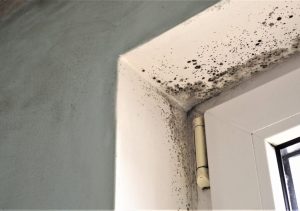
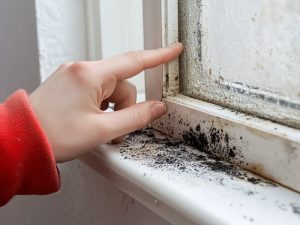
Black mold on a window sill is a common problem, especially in homes with high humidity or poor ventilation. It not only looks unpleasant but can also affect your health if left untreated.
Mold typically appears as black or dark green spots and spreads quickly if the environment remains damp. The area around windows is especially vulnerable because of condensation and temperature differences.
The good news is that in most cases, mold on a window sill can be removed easily with the right approach.
What Causes Mold on Window Sills?

Understanding the cause is essential if you want to remove mold permanently.
1. Condensation
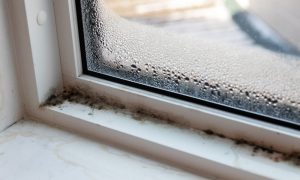
Windows often collect moisture due to temperature differences between inside and outside air.
This creates a damp surface where mold can grow.
2. Poor Ventilation
If air is not circulating properly, moisture stays trapped inside your home.
This increases the risk of mold formation.
If your home also has a damp smell, check this guide on why your house smells musty.
3. High Humidity
Rooms like kitchens and bathrooms produce a lot of moisture.
Without proper ventilation, this moisture settles on windows and surfaces.
4. Water Leaks
Leaks around windows or walls can create hidden damp areas where mold grows.
How to Remove Black Mold from a Window Sill
Removing mold requires proper cleaning and safety measures.
Step 1: Protect Yourself
Before cleaning:
-
Wear gloves
-
Use a mask
-
Ensure good ventilation
Step 2: Use Vinegar or Mold Cleaner
Spray white vinegar or a mold cleaner directly on the affected area.
Let it sit for 10–15 minutes.
Step 3: Scrub the Surface
Use a brush or cloth to remove the mold.
Be gentle to avoid damaging the surface.
Step 4: Dry the Area Completely
Moisture is the main cause of mold.
Make sure the window sill is completely dry after cleaning.
Step 5: Repeat if Needed
Stubborn mold may require multiple cleanings.
If you are also dealing with bad smells from drains, read this guide on why your drain smells bad.
How to Prevent Mold from Coming Back
Prevention is key to long-term results.
✔ Improve Ventilation
-
Open windows regularly
-
Use exhaust fans
✔ Reduce Humidity
-
Use a dehumidifier
-
Avoid drying clothes indoors
✔ Clean Regularly
Wipe window sills to remove moisture buildup.
✔ Fix Leaks
Repair any water leaks around windows immediately.
If you notice similar issues in other areas, you may also want to read why your sink smells like sewage.
When Should You Be Concerned?
You should take mold seriously if:
-
It spreads quickly
-
It covers large areas
-
It returns after cleaning
-
You experience health symptoms
In such cases, professional cleaning may be required.
Final Thoughts
Black mold on a window sill is a common but manageable problem. With proper cleaning and preventive steps, you can remove it and keep your home safe and fresh.
The key is to control moisture and act quickly before the mold spreads.