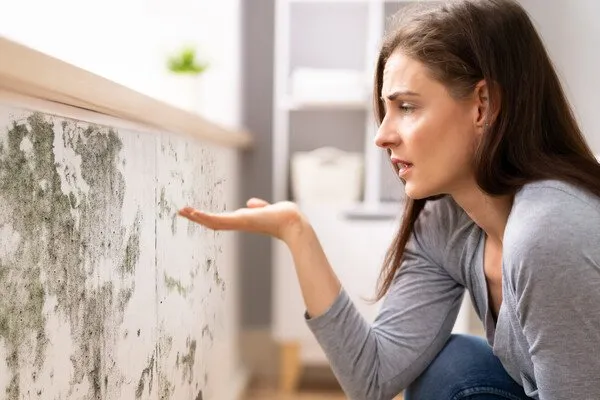
Quick Answer: If your house smells like something dead in the walls, the most common causes are a dead rodent, trapped moisture, mold growth, or sewer gas entering hidden spaces. The smell may fade and return over time, especially when the weather gets warmer or humidity rises. Finding the exact source early is important because the problem usually gets worse, not better.
A strong rotten smell coming from inside a wall can be alarming. Many homeowners first assume the smell is coming from the kitchen trash, drain, or an old food item. But when the odor keeps returning and seems to come from one specific area, the real problem is often hidden inside the wall cavity, attic, crawl space, or nearby vent.
The good news is that this smell usually comes from a limited number of causes. Once you narrow down the source, the solution becomes much easier.
Main Causes of a Dead Smell in the Walls
-
A dead mouse, rat, or other small animal inside the wall
-
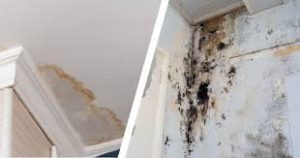
Hidden mold or mildew caused by trapped moisture
-
Sewer gas leaking into wall cavities
-
Water damage behind drywall
-
Rotting debris near vents, crawl spaces, or insulation
What the Smell Usually Means
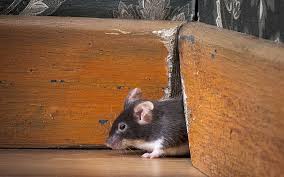
When people describe a smell as “something dead,” they usually mean a strong rotten, sour, or decaying odor that feels heavier than normal musty air. In many cases, the cause really is a dead animal. Rodents sometimes die inside walls after entering through small exterior gaps, attic openings, crawl spaces, or utility penetrations.
However, not every rotten smell means an animal is trapped inside. Moisture damage and mold can create a very similar odor, especially when the wall has been damp for a long time. This is why identifying the exact source matters before you start opening walls or using odor products.
1) A Dead Animal Inside the Wall
This is one of the most common reasons for a sudden rotten smell in part of the house.
Small animals such as mice, rats, squirrels, or even birds can get trapped inside wall cavities and die there. When this happens, the odor is usually strongest:
-
near one room or one section of wall
-
close to vents or electrical outlets
-
during warmer parts of the day
-
for several days or weeks before slowly fading
A dead animal smell often starts suddenly, becomes worse for a few days, and then changes intensity depending on temperature and airflow.
Signs this may be the cause
-
The smell is strongest in one exact area
-
You recently heard scratching in the walls or ceiling
-
The odor appeared suddenly
-
The smell gets stronger when heat rises or sun hits the wall
2) Hidden Moisture or Mold Behind the Wall
If the smell is more damp, stale, or rotten-musty rather than sharply decayed, the issue may be moisture behind drywall.
Leaks from pipes, roofs, windows, or HVAC systems can soak insulation and wall materials. Over time, this creates mold and mildew growth that produces a foul smell many people describe as “something dead.”
This is especially likely if:
-
the wall has had water damage before
-
the smell gets worse after rain
-
the room feels humid
-
there is discoloration, bubbling paint, or soft drywall
👉 If the odor gets worse after wet weather, you should also read Why Does My House Smell Bad After Rain?
3) Sewer Gas Entering Hidden Spaces
Sometimes the smell is not from decay at all — it is from sewer gas.
If a drain, vent pipe, or plumbing connection has a leak, gas can move into cavities behind the wall and spread into the room. This can smell rotten, dirty, or even similar to decomposition.
You may notice this more in:
-
bathrooms
-
laundry rooms
-
kitchens
-
walls shared with plumbing lines
👉 A similar issue may happen near sinks and drains. See Why Does My Sink Smell Like Sewage?
Quick Check: How to Narrow Down the Source
Before calling a contractor or opening the wall, do these simple checks:
Stand in different parts of the room
Try to find the strongest point of the smell. Move slowly near outlets, vents, baseboards, and corners.
Check if the smell changes during the day

A dead animal smell often gets worse as the day warms up. Moisture smells may worsen after rain or during humid nights.
Inspect nearby areas
Look in:
-
attic
-
crawl space
-
basement
-
utility closet
-
behind appliances
-
around vents and duct openings
Rule out drains first
Run water in unused sinks, showers, and floor drains. A dry trap can sometimes create a terrible odor that seems like it is coming from the wall.
What You Should Do First
If your house smells like something dead in the walls, do not just spray air freshener and ignore it. That usually wastes time and lets the real problem get worse.
Start with these steps:
-
Find the strongest location of the smell
-
Check for any signs of moisture or staining
-
Inspect attic, crawl space, and nearby vents
-
Look for pest activity
-
Call pest control or a contractor if the smell is severe
When the Smell Is Most Likely a Dead Animal
The smell is more likely to be a dead animal if:
-
it appeared suddenly
-
it is strongest in one exact wall or ceiling area
-
you had pest activity recently
-
the odor is very sharp, rotten, and unnatural
-
it gets worse with heat
In many cases, the odor eventually weakens as decomposition ends, but that does not always mean the issue is solved. Stains, insects, bacteria, and residue can remain inside the wall.
When the Smell Is More Likely Moisture or Mold
The smell is more likely to be hidden moisture if:
-
it has been coming and going for a long time
-
it gets worse after rain
-
it smells musty, sour, or damp
-
paint or drywall looks damaged
-
the room feels humid
👉 If the smell is more musty than rotten, read Why Does My House Smell Musty?
Can the Smell Go Away on Its Own?
Sometimes yes — but that does not mean the source is harmless.
A dead animal odor may fade naturally after a few weeks. But if the cause is mold, moisture, or sewer gas, it will often keep coming back until the real problem is fixed.
If the smell disappears and then returns again, that usually points more toward:
-
humidity changes
-
rain-related moisture
-
plumbing gas
-
trapped air in hidden spaces
How to Remove the Smell After the Source Is Fixed
After you identify and solve the root problem, you may still need to remove lingering odor.
Helpful options include:
-
airing out the room daily
-
replacing contaminated insulation if needed
-
cleaning affected surfaces
-
using odor absorbers
-
sealing openings used by pests
-
repairing water damage completely
Do not rely only on fragrance sprays. They cover the smell for a short time but do not solve anything.
Final Thoughts
If your house smells like something dead in the walls, the problem is usually one of four things: a dead animal, hidden mold, moisture damage, or sewer gas. The key is to identify whether the odor is sudden and localized or persistent and humidity-related.
The earlier you investigate it, the easier it usually is to fix. Waiting too long can turn a simple issue into wall damage, pest problems, or long-term odor contamination.
FAQ
Why does my wall smell like a dead animal?
The most common reason is that a mouse, rat, bird, or other small animal died inside the wall cavity. The smell is often strongest in one location and becomes worse in warm weather.
Can mold smell like something dead?
Yes. Some mold and mildew problems create a rotten or sour odor that many people confuse with a dead animal, especially when moisture is trapped behind drywall.
How long does a dead animal smell last in the wall?
It depends on the size of the animal, airflow, and temperature, but the smell often lasts from several days to a few weeks.
Should I open the wall to find the smell?
Not immediately. First check nearby vents, attic, crawl space, and signs of moisture or pests. If the smell is clearly strongest in one exact wall section, a professional may recommend opening it.
Can sewer gas smell like something dead?
Yes. Sewer gas can smell rotten, dirty, or decayed and may enter through plumbing leaks or dry drain traps.