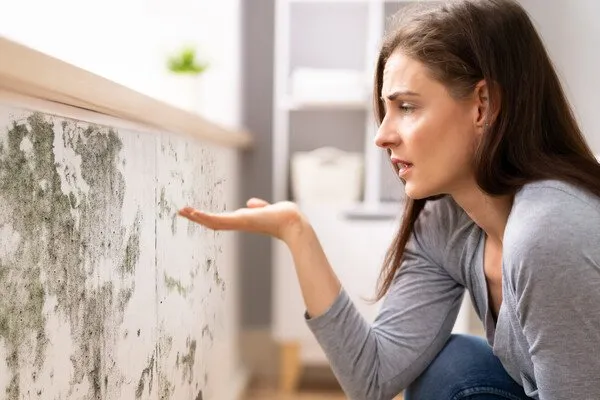
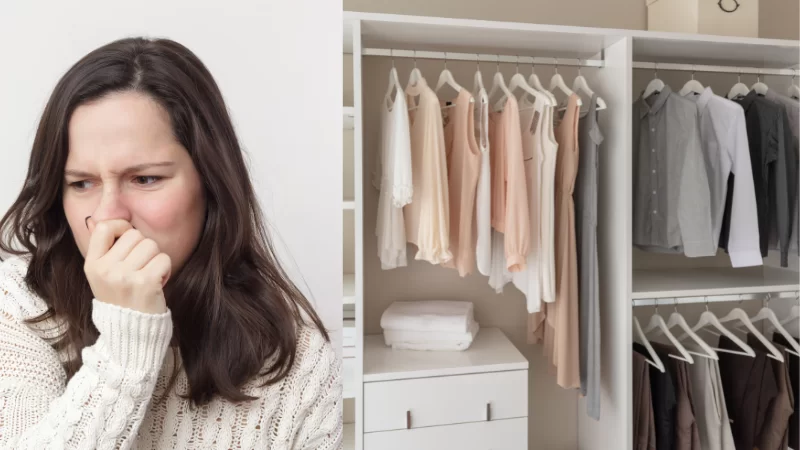
Quick Answer: To find the source of a bad smell in your house, start by identifying where the smell is strongest, determine the type of odor (musty, sewage, burning, chemical), isolate rooms one by one, check common sources like drains, fabrics, HVAC, and moisture areas, and use a process of elimination. Most odors come from hidden moisture, soft materials, plumbing, or air circulation issues.
If your house smells bad but you cannot figure out why, you are not alone. One of the hardest parts of dealing with odors is not removing them — it is finding the exact source.

Many smells are not obvious because they come from hidden places like inside walls, under floors, inside drains, or deep in fabrics. The smell spreads through the air, making it feel like it is everywhere.
This guide will show you exactly how to track it down step by step.
Step 1: Identify Where the Smell Is Strongest
The first step is simple but critical.
Walk through your house slowly and notice:
-
where the smell hits you the most
-
where it feels strongest
-
where it first appears
Focus on:
-
entry areas
-
hallways
-
bathrooms
-
kitchen
-
bedrooms
👉 The strongest point is usually closest to the source.
If the smell seems random or comes and goes, check: Why Does My House Smell Fine Then Suddenly Smell Bad
Step 2: Identify the Type of Smell

Different smells point to different problems.
Musty / Damp
→ moisture or mold
Sewage / Rotten Egg
→ drains or plumbing
Burning / Smoke

→ electrical or HVAC
Chemical / Sweet
→ materials, refrigerant, or synthetic sources
Garbage / Sour
→ organic buildup
👉 Identifying the smell type cuts your search in half.
If it smells damp, read: Why Does My House Smell Musty
If it smells like gas: Why Does My House Smell Like Gas but No Leak
If it smells like smoke: Why Does My House Smell Like Smoke but Nothing Is Burning
Step 3: Isolate the Area (Room-by-Room Method)

Now narrow it down.
Close doors and check rooms one by one:
-
enter → smell
-
leave → compare
👉 This helps you isolate:
-
one room
-
one corner
-
one source
If one room smells worse than others, stay there and go deeper.
Step 4: Check the Most Common Hidden Sources
Most smells come from the same few places.
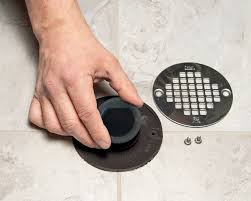
1. Drains
-
kitchen sink
-
bathroom sink
-
shower drain
-
floor drains
Run water and smell again.
2. Soft Materials
-
carpets
-
sofas
-
curtains
-
mattresses
These absorb odor and release it slowly.
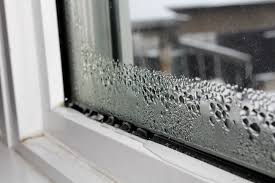
3. Moisture Areas
-
under sinks
-
corners
-
behind furniture
-
closets
Hidden dampness is one of the biggest causes.
4. HVAC System
-
vents
-
filters
-
ducts
Turn system on/off and notice changes.
5. Trash / Organic Sources
-
garbage
-
food residue
-
laundry
Small sources add up over time.
Step 5: Test Simple Fixes to Confirm the Source
Before tearing anything apart, test quick fixes:
-
open windows
-
run fans
-
wash fabrics
-
clean drains
-
remove trash
-
dry damp areas 👉 If smell improves → you found the source type
Step 6: Watch When the Smell Happens
Timing gives clues.
Ask yourself:
-
only when you come home?
-
worse at night?
-
worse when hot?
-
worse when AC turns on?
👉 These patterns reveal:
-
airflow issues
-
humidity problems
-
HVAC involvement
Step 7: Follow the Airflow
Smells move.
Sometimes the source is NOT where you smell it.
Check:
-
vents
-
airflow direction
-
connected rooms
Example:
👉 bathroom smell → hallway → bedroom
Common Mistakes People Make
Most people:
-
clean randomly
-
use air fresheners
-
ignore the source
👉 This only hides the smell temporarily.
You must:
✔ find source
✔ remove cause
How to Fix the Smell After You Find It
Once you locate the source, the fix is usually simple:
-
clean deeply
-
remove moisture
-
fix drain issues
-
replace filters
-
ventilate properly
For a full cleanup system, read: How to Get Rid of Bad Smell in Your House Fast
When You Should Be Concerned
Some smells are warning signs.
Be careful if:
-
smell is strong and unusual
-
smells like gas or burning
-
gets worse quickly
-
affects breathing or comfort
👉 These need immediate attention
Final Thoughts
Finding a bad smell in your house is not about guessing. It is about following a process.
The key steps are:
-
find where it is strongest
-
identify the smell type
-
isolate the area
-
check common sources
-
confirm with simple tests
Once you follow this method, most smells become easy to track and fix.
FAQ
Why can’t I find where the smell is coming from?
Because many smells come from hidden areas like drains, walls, or fabrics.
What is the most common source of bad smell in a house?
Moisture, drains, and soft materials like carpets and sofas.
Can smells travel through the house?
Yes, airflow can carry smells from one room to another.
Should I worry if I can’t find the source?
If the smell is strong or persistent, yes — it’s better to investigate further.