Quick Answer: A bad smell in the house is not always dangerous, but some odors can signal serious problems like gas leaks, mold growth, electrical issues, or sewer gases. If the smell is strong, unusual, persistent, or has a chemical, burning, or rotten odor, it should not be ignored.
A bad smell in your house can be annoying, but sometimes it is more than just unpleasant. While many household odors come from harmless sources like food, laundry, or stale air, others can point to hidden problems that may affect your health or safety.
The key is to understand which smells are normal and which ones could be dangerous.
When a Bad Smell Is Usually Harmless

Not all smells are a reason to panic. Many common odors come from everyday activities and are not dangerous.
These include:
-
food smells from cooking
-
stale air in closed rooms
-
dirty laundry
-
trash or organic waste
-
mild pet odors
-
light dust or carpet smells
These types of smells may be unpleasant, but they usually disappear with cleaning and ventilation.
If your house smells bad but improves quickly after airing out or cleaning, the issue is likely minor.
When a Smell Might Be Dangerous

Some smells should never be ignored, especially if they are strong, unusual, or getting worse over time.
You should be more careful if the smell:
-
appears suddenly and strongly
-
smells like gas, burning, or chemicals
-
causes headaches or discomfort
-
does not go away with cleaning
-
spreads to multiple rooms
-
gets worse with heat or humidity
These signs often mean there is a hidden source that needs attention.
Gas Smell (One of the Most Serious)
If your house smells like gas, even faintly, it can be dangerous. Natural gas leaks are a serious safety risk and should be treated immediately.
Gas smells are often described as:
-
sulfur-like
-
rotten eggs
-
chemical or sharp odor
If you notice this type of smell:
-
open windows immediately
-
avoid using electrical switches
-
leave the house if needed
-
contact a professional
If you are unsure, read Why Does My House Smell Like Gas but No Leak?.
Burning or Smoke Smell

A burning smell without visible fire is another warning sign. It can come from:
-
overheating electrical wires
-
faulty appliances
-
dust burning inside HVAC systems
-
hidden electrical issues
This smell may seem mild at first but can indicate a serious problem.
If you notice a burning odor, especially near outlets or vents, do not ignore it. It is safer to investigate early.
Learn more here: Why Does My House Smell Like Smoke but Nothing Is Burning?
Musty Smell (Possible Mold or Moisture)

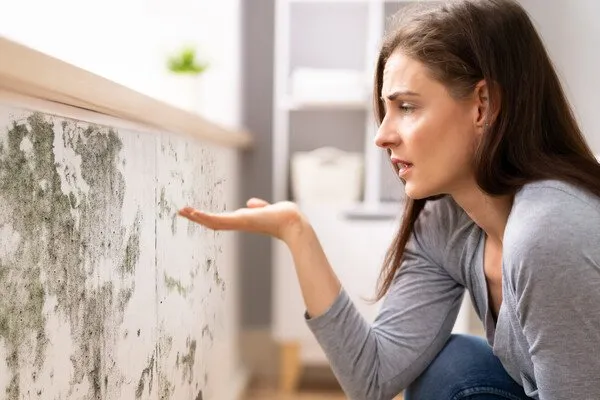
A musty smell is one of the most common warning signs of hidden moisture or mold. Even if you do not see mold, the smell can mean it is growing somewhere out of sight.
Common locations include:
-
behind walls
-
under floors
-
inside closets
-
near windows
-
under sinks
Long-term exposure to mold can affect air quality and health, especially for sensitive individuals.
If your house smells damp or earthy, check Why Does My House Smell Musty?.
Sewer or Rotten Egg Smell

A sewer smell can come from:
-
dry drain traps
-
blocked pipes
-
venting issues
-
plumbing leaks
While not always immediately dangerous, sewer gas can contain harmful compounds if exposure is prolonged.
If the smell is strong and persistent, it is better to check plumbing sooner rather than later.
Chemical or Sweet Smell
Some chemical or sweet smells can be linked to:
-
cleaning products
-
refrigerant leaks
-
synthetic materials
-
overheating plastics
In some cases, this type of smell can indicate an appliance issue or chemical exposure. If it feels unusual or strong, it is worth investigating.
How to Tell If the Smell Is Dangerous

You can usually identify risk by asking a few simple questions:
1. Does the smell feel unusual or sharp?
Strong chemical, gas, or burning smells are more concerning.
2. Does it keep coming back?
Persistent smells often mean a hidden source.
3. Does it affect how you feel?
Headaches, dizziness, or irritation are warning signs.
4. Is it coming from one specific area?
Localized smells can help you find the source faster.
5. Does it get worse with heat?
Heat often intensifies hidden problems like mold or chemical release.
What You Should Do First
If you are unsure whether a smell is dangerous, take simple safety steps first:
-
ventilate the space immediately
-
identify the source location
-
remove obvious odor sources
-
check appliances and vents
-
run water in drains
-
avoid ignoring strong unusual smells
If the smell does not improve or seems risky, it is better to act early.
How to Remove Non-Dangerous Odors
If the smell turns out to be harmless, the solution is usually simple:
-
improve airflow
-
clean fabrics and carpets
-
remove moisture
-
empty trash regularly
-
maintain HVAC systems
For a full step-by-step approach, read: How to Get Rid of Bad Smell in Your House Fast
When to Take It Seriously

You should not ignore a smell if:
-
it smells like gas or burning
-
it is getting stronger
-
it spreads across rooms
-
it does not improve after cleaning
-
it causes physical discomfort
In these cases, the smell is likely not just cosmetic — it is a signal.
Final Thoughts
A bad smell in the house is not always dangerous, but it should never be ignored without checking. Many odors are harmless and easy to fix, but some can point to hidden issues that affect safety or health.
The key is to recognize the difference between normal smells and warning signs. If something feels off, trust that instinct and investigate the source early.
FAQ – Frequently Asked Questions
Can a bad smell in the house be harmful?
Yes, some smells like gas, mold, or burning can be harmful and should be checked immediately.
Is a musty smell dangerous?
It can be. A musty smell often indicates moisture or mold, which may affect air quality over time.
What smell should I worry about the most?
Gas, burning, and strong chemical smells are the most serious and should not be ignored.
When should I call a professional?
If the smell is persistent, strong, or unexplained, it is safer to get expert help.