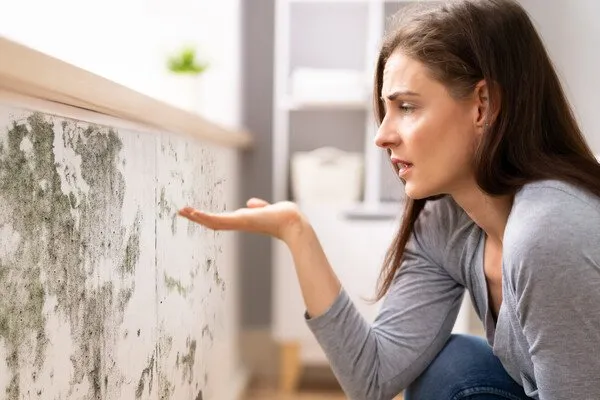
Quick Answer: A bad smell in your house after rain is usually caused by moisture buildup, mold growth, or sewer gas entering through drains. Rain increases humidity and can expose hidden issues like leaks or clogged pipes.
If your house smells bad after rain, you are not alone. Many homeowners notice unpleasant odors appearing during or after rainy weather. These smells can be musty, damp, or even similar to sewage, and they often indicate hidden issues that should not be ignored.
Main Causes of Bad Smell After Rain
- Increased humidity inside the house
- Hidden mold growth
- Clogged or dry drains
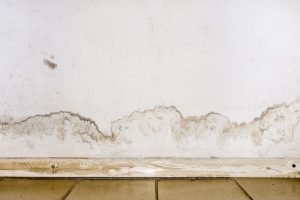
- Leaks in roof or walls
- Basement moisture
Understanding why this happens can help you fix the problem quickly and prevent it from coming back.
Excess Moisture and Humidity

Rain increases humidity levels both outside and inside your home. When moisture enters through walls, windows, or floors, it creates the perfect environment for odor-causing bacteria and mildew.
👉 Learn more about moisture issues here: Why Does My Shower Drain Smell After I Use It?
Even if you do not see visible mold, excess moisture can still create a strong musty smell. Using a dehumidifier and improving ventilation can help control humidity levels.
Hidden Mold Growth

One of the most common reasons your house smells bad after rain is hidden mold. Mold thrives in damp conditions and can grow behind walls, under carpets, or inside ceilings.
👉 Read more about mold and damp here: Why Is My Sink Draining Slowly but Not Clogged?
If the smell is persistent and gets stronger after rain, mold is a likely cause. It is important to identify and remove it as soon as possible.
Drain and Sewer Issues
Rain can affect your drainage system. When pipes or sewer lines are overwhelmed, gases can travel back into your home, causing unpleasant odors.
👉 Related drain problems here: Why Does My Bathroom Smell Like Sewer at Night?
This is especially common if you notice a sewage-like smell. Checking drains and ensuring proper flow can help solve this issue.
Poor Ventilation

When it rains, people tend to keep windows and doors closed. This traps moisture and odors inside, making the smell worse.
Improving airflow by using fans or opening windows when possible can significantly reduce indoor odors.
Wet Carpets and Fabrics
Carpets, curtains, and furniture can absorb moisture from the air. Once they become damp, they start to release unpleasant smells.
Deep cleaning and drying fabrics properly can eliminate these odors.
Basement and Foundation Issues
If your home has a basement, rainwater can seep into small cracks and create damp conditions. This often leads to a strong musty smell.
Inspecting your foundation and sealing any cracks can help prevent water from entering your home.
How to Fix the Problem Fast

Here are simple and effective solutions:
How to Fix Bad Smell After Rain
- Open windows and improve ventilation
- Use a dehumidifier
- Clean drains with baking soda and vinegar
- Check for hidden leaks
- Dry carpets and furniture
use a dehumidifier to reduce moisture
-
improve ventilation and airflow
-
clean and dry carpets and fabrics
-
check drains and plumbing systems
-
inspect for hidden mold
These steps can quickly improve the smell and prevent future issues.
When to Be Concerned
If the smell is very strong, does not go away, or feels like sewage, it may indicate a serious issue such as mold infestation or drainage problems. In such cases, professional help may be required.
Final Thoughts
A bad smell after rain is usually caused by moisture, poor ventilation, or hidden issues inside your home. The key is to act quickly and address the source before it becomes a bigger problem.
With proper maintenance and simple fixes, you can keep your home fresh and odor-free even during rainy weather.
FAQ
Why does my house smell worse after rain?
Rain increases humidity, which makes odors stronger and activates mold or bacteria.
Can rain cause sewer smell?
Yes, heavy rain can push sewer gases back into your home through drains.
Is it normal for a house to smell after rain?
No, it usually indicates moisture or drainage problems.