If your house smells like gasoline inside, it can be both confusing and worrying — especially if you haven’t spilled anything. This type of smell is not very common, but when it appears, it usually points to something that needs attention.
In many cases, the source is not actual gasoline, but something in your home that creates a similar chemical odor.
Vapors Entering from Outside

One of the most common causes is gasoline vapors entering your home from outside. This can happen if:
-
a car is parked in a garage connected to the house
-
fuel containers are stored nearby
-
outdoor equipment is used close to the home
Gasoline fumes can travel easily and enter through doors, vents, or small openings.
If the smell is stronger near entry points or certain rooms, outside air may be the cause.
Garage and Storage Areas
If your home has an attached garage, it is one of the first places to check. Even a small amount of fuel vapor can create a noticeable smell inside.
Common sources include:
-
lawn equipment
-
fuel cans
-
recently used vehicles
The smell may be stronger after:
-
driving the car
-
opening the garage door
-
temperature changez
HVAC System Pulling in Odors

Your heating or cooling system can pull in outside air and spread smells throughout the house. If gasoline fumes are present near intake areas, your HVAC system can distribute the odor into multiple rooms.
👉 Related: Why Does My House Smell Bad When the AC Turns On?
This can make the smell feel like it’s coming from everywhere.
Chemical or Plastic Odors Inside
Sometimes the smell is not gasoline at all, but something similar. Certain materials and devices can produce a chemical odor that resembles fuel.
This may include:
-
heated plastic
-
cleaning chemicals
-
new furniture or materials
-
electrical components
👉 Related: Why Does My House Smell Like Burning Rubber?
These smells can be mistaken for gasoline, especially in closed spaces.
Spills You Didn’t Notice
Small spills can go unnoticed, especially in areas like garages, storage rooms, or near entryways. Even a small amount of fuel can produce a strong smell for a long time.
Check:
-
floors near doors
-
storage areas
-
under shelves or containers
Sometimes the source is simple but hidden.
Plumbing or Drain-Related Odors
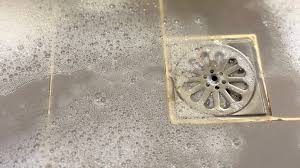
In rare cases, strong chemical-like odors from drains can be confused with gasoline smells. Certain gases or buildup inside pipes can create unusual odors that are hard to identify.
👉 Related: Why Does My Drain Smell Bad?
If the smell is stronger near sinks or drains, this could be the cause.
How to Identify the Source
To find the cause quickly, pay attention to:
-
where the smell is strongest
-
when it appears (after using garage, AC, etc.)
-
whether it gets worse with airflow
-
if it is stronger near certain rooms
These clues can help you narrow it down.
How to Get Rid of the Smell
Here are practical steps:
-
ventilate the house immediately
-
check garage and storage areas
-
remove or seal fuel containers
-
inspect HVAC intake areas
-
clean any possible spill
Improving airflow is often the fastest way to reduce the smell.
When to Take It Seriously
You should act quickly if:
-
the smell is strong and persistent
-
it causes headaches or discomfort
-
it appears suddenly without explanation
Strong chemical odors should not be ignored, even if you are unsure of the source.
Final Thoughts
If your house smells like gasoline inside, the cause is often external vapors, garage-related sources, or chemical odors from materials and devices. While it may not always be dangerous, it is important to identify the source and fix it quickly.
Pay attention to patterns, check nearby areas, and improve ventilation — in most cases, the problem can be resolved once the source is found.