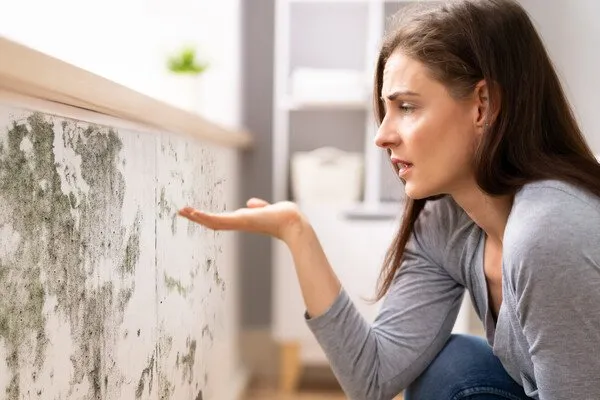
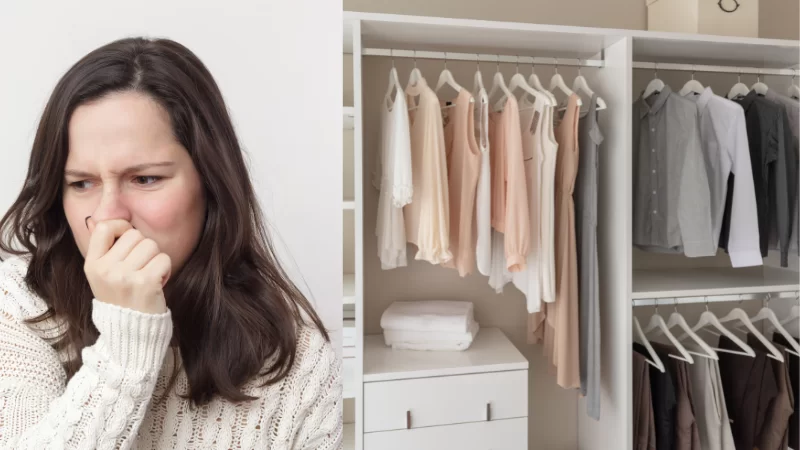
A wet dog smell in your house can be very unpleasant — especially if you don’t even have a dog. Many homeowners experience this exact problem and struggle to find the source.
This smell is usually caused by moisture, bacteria, or materials inside your home that trap and release odor. Even without pets, your house can develop a smell that is very similar to wet fur.
Moisture and Damp Materials
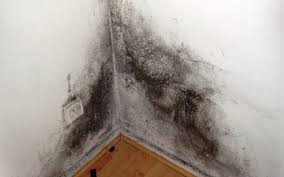
The most common cause of a “wet dog” smell is moisture trapped in fabrics or building materials. When moisture combines with bacteria, it creates that familiar damp, animal-like odor.
This often happens in:
-
carpets
-
rugs
-
upholstery
-
curtains
If any of these materials stay slightly damp, the smell can develop quickly.
👉 Related: Why Does My House Smell Musty?
Dirty Carpets and Soft Surfaces
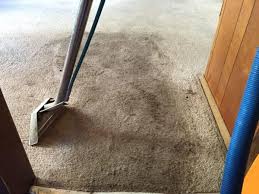
Carpets are one of the biggest odor traps in any home. Even if they look clean, they can hold:
-
dust
-
bacteria
-
moisture
Once these build up, they can produce a smell that is very similar to a wet dog.
This is especially common if:
-
carpets were recently cleaned but not dried properly
-
the room has high humidity
-
there is poor ventilation
👉 Related: Why Does My Carpet Smell After Cleaning?
HVAC and Air Circulation Issues
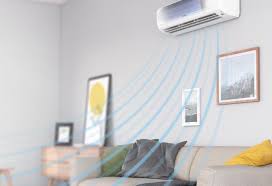
Your heating or air conditioning system can spread odors throughout the entire house. If there is moisture or buildup inside the system, it can create unusual smells.
The odor may be stronger when:
-
AC or heating turns on
-
air starts circulating
-
vents release warm or cool air
👉 Related: Why Does My House Smell Bad When the AC Turns On?
Mold in Hidden Areas
Even if you don’t see mold, it can still exist behind walls, under floors, or inside furniture. Some types of mold produce smells that are not purely “musty” but more organic — similar to wet animals.
This is more likely if:
-
the smell is constant
-
it gets worse in humidity
-
it appears in certain rooms
👉 Related: Why Does My Room Smell Musty but No Mold?
Laundry and Fabrics
Damp clothing, towels, or bedding can also create a wet dog smell. Even slightly wet laundry left in a closed space can develop a strong odor quickly.
Check:
-
laundry baskets
-
closets
-
storage areas
Sometimes the source is simpler than expected.
Hidden Water Leaks
Small leaks can go unnoticed for a long time. Water behind walls or under floors can create damp conditions that lead to odor.
If the smell:
-
is stronger in one area
-
doesn’t go away
-
appears after rain
then hidden moisture could be the cause.
How to Get Rid of the Smell
Here are the most effective steps:
-
dry all fabrics completely
-
improve airflow and ventilation
-
deep clean carpets and furniture
-
check HVAC filters and vents
-
reduce humidity with a dehumidifier
These steps solve most cases quickly.
When to Take It Seriously
You should investigate further if:
-
the smell keeps coming back
-
it gets worse over time
-
you notice damp spots or condensation
This may indicate mold or structural moisture issues.
Final Thoughts
If your house smells like wet dog but you don’t have one, the cause is almost always moisture combined with bacteria. Carpets, fabrics, HVAC systems, and hidden damp areas are the most common sources.
The key is to find where moisture is trapped and remove it. Once the source is fixed, the smell usually disappears quickly.