A sweet or chemical smell in your house can be confusing. Unlike strong odors like sewage or garbage, this type of smell is harder to identify and often gets ignored at first. However, unusual sweet or chemical-like odors can signal hidden problems inside your home that should not be overlooked.
If your house smells sweet or chemical, the cause is usually something unnatural — and in some cases, it can indicate a developing issue.
Electrical Components Can Create a Sweet or Chemical Smell

One of the most overlooked causes of a strange sweet or chemical odor is electrical overheating. When wires, outlets, or plastic insulation begin to overheat, they can release a smell that is not always “burning” — sometimes it’s slightly sweet or synthetic.
This is more likely if:
-
the smell appears near outlets or switches
-
it gets stronger when devices are plugged in
-
you notice warmth or discoloration near electrical points
Even a small electrical issue can produce a noticeable odor before visible damage appears.
👉 Related: Why Does My House Smell Like Burning Rubber?
Air Conditioning or HVAC Systems

Your AC system can also create a sweet or chemical smell, especially if there is buildup inside the unit or issues with filters and coils. Dust, bacteria, and moisture inside HVAC systems can produce unusual odors when air starts circulating.
Watch for:
-
smell appearing when AC turns on
-
stronger odor in vents
-
musty + slightly sweet combination
👉 Related: Why Does My House Smell Bad When the AC Turns On?
Cleaning Products or Chemical Residue
Sometimes the source is simpler — leftover cleaning chemicals. Strong cleaners, sprays, or floor products can leave behind a lingering sweet or artificial smell, especially in poorly ventilated spaces.
This is common if:
-
the smell started after cleaning
-
it’s stronger near floors, carpets, or surfaces
-
it slowly fades over time
However, if the smell does not go away after a day or two, it may not be just cleaning products.
Mold and Hidden Moisture
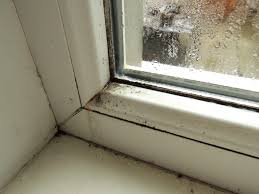
Mold does not always smell musty. In some cases, especially in early stages, it can produce a slightly sweet or unusual odor that people don’t immediately recognize as mold.
This is more likely if:
-
the smell is stronger in closed rooms
-
you notice humidity or dampness
-
it appears after rain or temperature changes
👉 Related: Why Does My House Smell Musty?
Refrigerant or Appliance Leaks
Certain appliances, especially air conditioners and refrigerators, can produce a faint sweet or chemical smell if there is a refrigerant issue or internal malfunction.
Signs include:
-
smell near fridge or AC unit
-
reduced cooling performance
-
odor appearing suddenly
Even if the smell is not strong, appliance-related odors should be checked early.
Pest or Hidden Organic Sources
In rare cases, a sweet smell can come from organic sources such as pests or hidden contamination. While less common, it can happen if something is trapped behind walls, under floors, or inside ventilation systems.
This type of smell may:
-
appear suddenly
-
change over time
-
become stronger in certain areas
Why This Smell Should Not Be Ignored
A sweet or chemical smell often feels less urgent than gas or sewage odors, but that can be misleading. Many people ignore it because it is not immediately unpleasant.
However, this type of smell is often linked to:
-
electrical issues
-
hidden moisture
-
appliance problems
-
air circulation systems
Catching the cause early can prevent bigger repairs later.
What You Should Do First
If your house smells sweet or chemical, start by narrowing down the source:
-
check where the smell is strongest
-
notice when it appears (day, night, AC use, etc.)
-
inspect outlets and appliances nearby
-
ventilate the area and see if it fades
-
check humidity and hidden damp areas
Avoid masking the smell with sprays — that can hide the real issue.
Final Thoughts
If your house smells sweet or chemical, it is usually a sign that something inside your home is not working properly. While the smell may seem mild, it often points to underlying issues like electrical overheating, mold, or appliance problems.
The key is to take it seriously early, identify the source, and fix the problem before it becomes more noticeable — or more expensive.