Quick Answer: If your house smells worse when it’s hot, the most common causes are increased humidity, bacterial growth, and trapped odors becoming stronger in warm air. Heat intensifies smells and can reveal hidden issues like mold, dirty drains, or poor ventilation.
Many homeowners notice this strange problem: everything seems fine during cooler hours, but as soon as the temperature rises, the house starts to smell worse. This isn’t random — heat actually makes odors stronger and helps bacteria and mold grow faster.
Understanding why this happens is the key to fixing it permanently.
Main Causes of Bad Smell When It’s Hot
-
High humidity levels inside the house
-
Bacteria growing faster in warm conditions
-
Mold and mildew becoming more active
-
Trapped odors in carpets and furniture
-
Poor ventilation
-
Dirty drains or plumbing issues
Why Heat Makes Smells Stronger
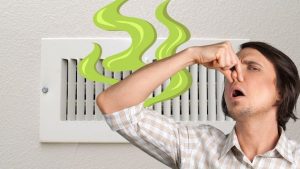
Warm air holds and spreads odor molecules more effectively than cold air. This means that smells that are barely noticeable during the day can become strong and unpleasant when temperatures rise.
Heat also speeds up:
-
bacterial growth
-
decomposition
-
moisture evaporation (which releases odors)
That’s why a small hidden problem can suddenly feel much worse in summer.
1) Hidden Moisture and Mold
One of the biggest reasons your house smells worse in heat is moisture.
Warm temperatures + humidity = perfect environment for mold.
Even if you don’t see mold, it may be growing in:
-
walls
-
ceilings
-
under flooring
-
inside insulation
👉 If your home smells musty, read:
👉 If you suspect hidden mold, check this:
2) Drains and Sewer Smells Get Worse
Hot weather can also make drain-related smells stronger.
This happens because:
-
bacteria in pipes become more active
-
sewer gases expand and move faster
-
dry traps allow gas to enter your home
👉 If you notice smell near sinks, see:
3) Carpets and Furniture Holding Odors
Soft surfaces absorb smells over time.
When heat rises:
-
trapped odors are released
-
moisture activates bacteria
-
smells become noticeable again
This is especially common if:
-
carpets were recently cleaned
-
furniture absorbed moisture
-
airflow is limited
👉 Related problem: why does my carpet smell after cleaning
4) Poor Ventilation
If air is not circulating properly, heat traps smells inside your home.
This makes odors:
-
stronger
-
heavier
-
harder to remove
Closed windows and poor airflow are major factors in summer smell problems.
Quick Check: How to Identify the Source
Notice when the smell appears
-
only when hot → heat-related issue
-
after rain → moisture problem
Check specific areas
-
near drains
-
near walls
-
near carpets
Monitor airfloz
If opening windows reduces smell → ventilation problem
What You Should Do First
If your house smells worse when it’s hot:
Step-by-step:
-
Open windows and improve airflow
-
Use a dehumidifier
-
Check drains and run water
-
Clean carpets and fabrics
-
Inspect for hidden moisture
Is This a Serious Problem?
Sometimes yes.
If the smell is caused by:
-
mold
-
sewer gas
-
bacteria buildup
It can affect air quality and should not be ignored.
How to Fix It Permanently
To remove summer smells, you must remove the source.
Best solutions:
-
control humidity
-
improve ventilation
-
clean hidden areas
-
fix leaks
-
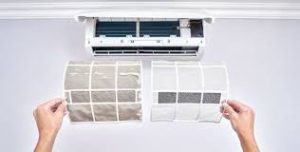
maintain HVAC system
Temporary fixes like sprays only hide the problem.
Final Thoughts
If your house smells worse when it’s hot, it’s not random — heat is revealing hidden issues inside your home. The most common causes are moisture, mold, drains, and trapped odors.
Fixing airflow and moisture problems will solve most cases quickly and prevent the smell from coming back.
FAQ
Why does my house smell more in summer?
Because heat increases humidity and makes odors stronger.
Can heat cause mold smell?
Yes. Warm, humid conditions activate mold growth.
Why do drains smell worse when it’s hot?
Bacteria and gases in pipes become more active in higher temperatures.
Will the smell go away when it gets cooler?
It may weaken, but the problem usually remains.
How do I stop my house from smelling in heat?
Improve ventilation, reduce humidity, and fix hidden moisture or drain issues.